
They also help business owners reduce taxes, reach financial goals, and increase cash flow. Above all else, an accountant advises small-business owners on how to optimize and improve their business finances. The answer depends on the type of services you need and the size of your business. The fees charged by professionals vary greatly depending on their qualifications and experience level, as well as the complexity of your requirements.
- Keep in mind that these estimations will vary greatly depending on specific bookkeeping services for small business owners, location, and professional certification.
- A CPA’s involvement goes beyond basic bookkeeping; they become a trusted partner in guiding your business toward financial stability and growth.
- This lets you focus on what is most important for your business.
- The types of services you offer—and how frequently you offer them—can heavily influence how much you charge.
- You may consider offering a free consultation to talk with prospective clients and highlight the value you can provide, such as saving time and avoiding expensive mistakes.
Common Misconceptions About Our Monthly Accounting Service
- This can help you save money versus paying for each service separately.
- When a CPA prepares your tax return, they’re less likely to make those costly mistakes in the first place.
- That said, you should always make sure the CPA is transparent about what the fee includes to make sure there aren’t any hidden costs down the line.
- In any industry, experience is influential in pricing decisions, and bookkeeping is no different.
- Discuss your needs with the CPA firm to see if a package deal can be tailored to fit your budget.
These are essentially service packages, combining multiple standalone services as part of one deal. For example, you might get a tax bundle, comprising tax preparation and filing, tax planning, and tax compliance services — all for one price. Bundled services tend to be cheaper than buying all of the included services individually. fixed assets SMEs can expect to pay less than larger businesses for services such as payroll, bookkeeping, and audit.

Can I prepare my company’s taxes myself?
From 24/7 phone answering and live website chat to appointment scheduling, lead intake, and so much more, we’ve got you covered. Accounting helps a business understand its financial position to be able to make informed decisions and manage risks. There is a fine line between overcharging and undercharging, but the sweet spot does exist and you’ll know when you find it, because your clients will be happy, and so will you. Templates, workflows and automations all give you time back in your day that you can spend building your client base and adding value for existing clients. With the right technology, you can automate bookkeeping processes and tasks that once took hours of your time.

Monthly Accounting Service
- Additionally, a CPA can help you ensure compliance with tax laws and avoid expensive penalties and audits.
- CPAs who operate in affluent areas and cities with high costs of living will charge considerably more than those in less expensive or rural areas.
- Hiring a Certified Public Accountant might seem like an expense, but a skilled CPA can save your small business money in the long run.
- That helps them get a better understanding of you and your business’ situation — and that’s time you’ll probably have to pay for.
- Often, companies engage an outsourced accounting firm to provide a cost effective alternative to a full time hire.
- CPAs who specialize in a particular industry, such as healthcare or technology, may also charge a higher rate due to their specialized knowledge and expertise.
The billing practices of CPAs can significantly impact the overall cost. While some CPAs prefer charging an hourly rate, others may offer a fixed fee for a suite of services. Hourly rates can vary widely, often between $150 to $450, influenced by the CPA’s expertise and the service complexity. Fixed fees are common for standardized tasks like tax preparation, ranging from $200 to over $2,000, reflecting the intricacy of the tax situation. The billing practices of how much CPA costs vary in the United States or over the world , with some preferring hourly accounting and bookkeeping for small business rates and others opting for fixed fees for particular services. Hourly rates can range significantly from $150 to $450, influenced by the CPA’s level of expertise and the specific nature of the task.
Value-based pricing
- As you can see, this approach has some significant drawbacks that can be concerning.
- A bookkeeper would also verify that the company’s general ledger balances, and if not, troubleshoot to find the error.
- They can also automatically prepare important financial statements, like a balance sheet or cash flow statement, based on the information you enter.
- Value-based pricing, instead, rewards experience and tech fluency.
- It costs more to have multiple years of returns done, but it’s worth it in many cases to avoid potential audits and penalties.
- If you require ongoing accounting services, like bookkeeping or payroll, it usually makes more sense to ask for a fixed-fee structure.
In this article, AdvisoryHQ will look at bookkeeping services fees and small business accountant fees to help small business owners understand the cost of average accountant fees. The cost of hiring a CPA can depend on various factors such as the forms, services, and billing methods. Moreover, the rates can vary based on the professional’s experience, certification, and location. While it’s essential to consider CPA fees when planning your financial needs, there are strategies to minimize expenses and alternative options for those who cannot afford it. If you’re looking for a service to bridge the gap between DIY accounting software and a full-time accountant, Bench has you covered.
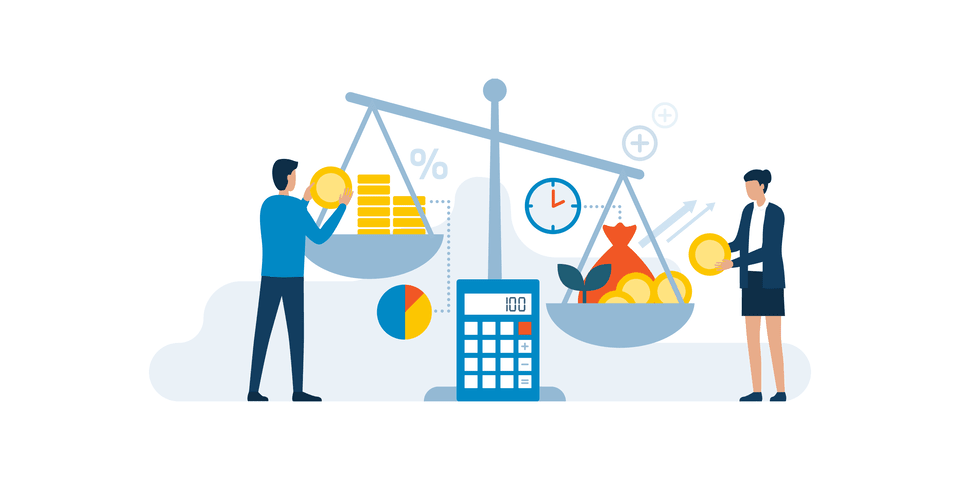
If you’re just starting your business, you might need help selecting a business structure. Whether it’s a sole proprietorship, partnership, or corporation, your business structure will define how you protect assets, leverage costs, and pay taxes. Finally, an accountant’s knowledge of the business financial statements can help you make informed decisions when it comes to managing cash flow and tax planning for the future. They can advise how to grow your business, depending on your goals and what you want to https://www.bookstime.com/ achieve.


Discuss your needs with the CPA firm to see if a package deal can be tailored to fit your budget. The more organized your financial records are, the less time a CPA will need to spend sorting through them. Make sure all receipts, invoices, and statements are well-categorized and accessible. Doing some of the legwork yourself can minimize the time your CPA spends on basic tasks, which ultimately lowers your bill. Using accounting software to automate record-keeping can also streamline this process. Specialized financial services, such as IRS audit representation, business valuations, or complex financial analyses, require high expertise.